Can a consumer actually tell the difference without our help?
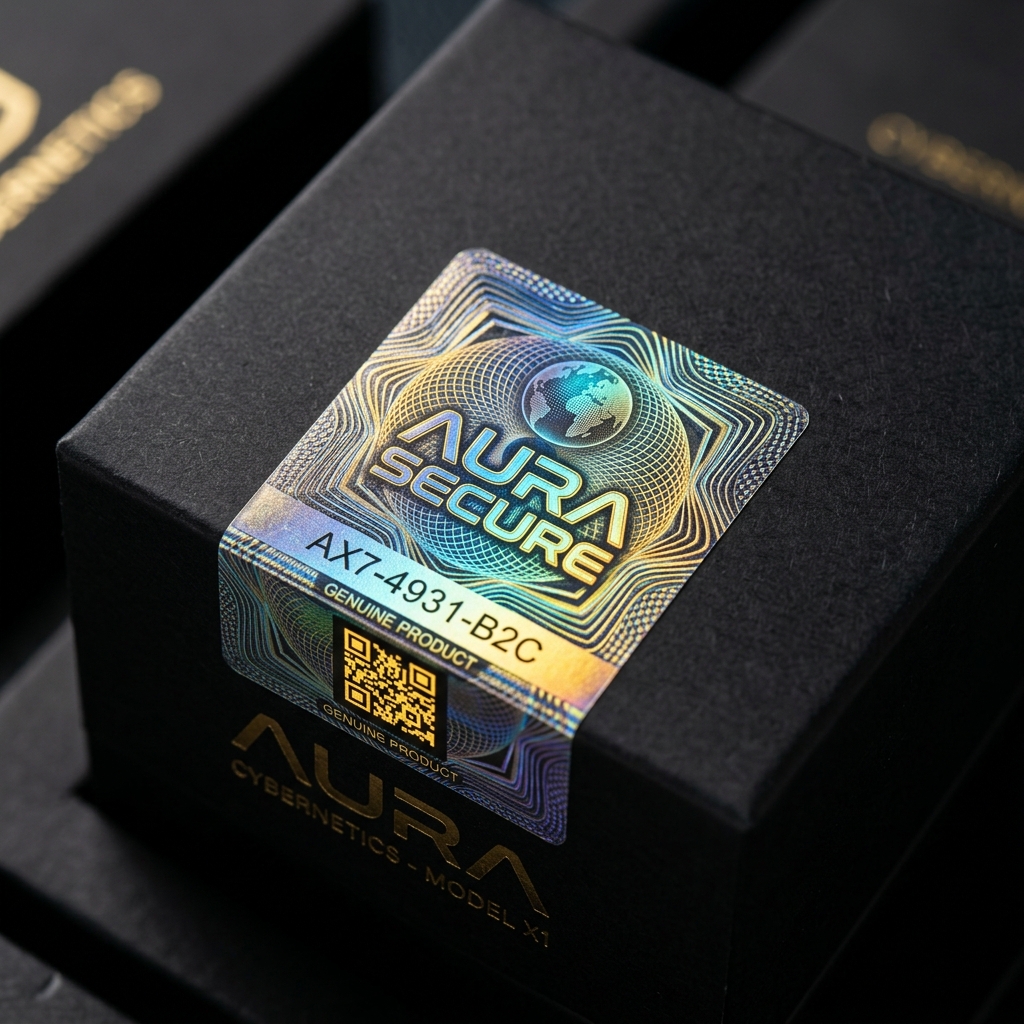
Yes, the holographic label is visible before any scan; the QR confirms it in seconds after.


Smart Epsilon protects every unit with overt, covert, and forensic verification working together, so a fake doesn't just need to look right. It needs to beat three independent layers at once.
Three Layers — One Framework, No Gaps
A single method is exactly what a counterfeiter needs to learn to copy.
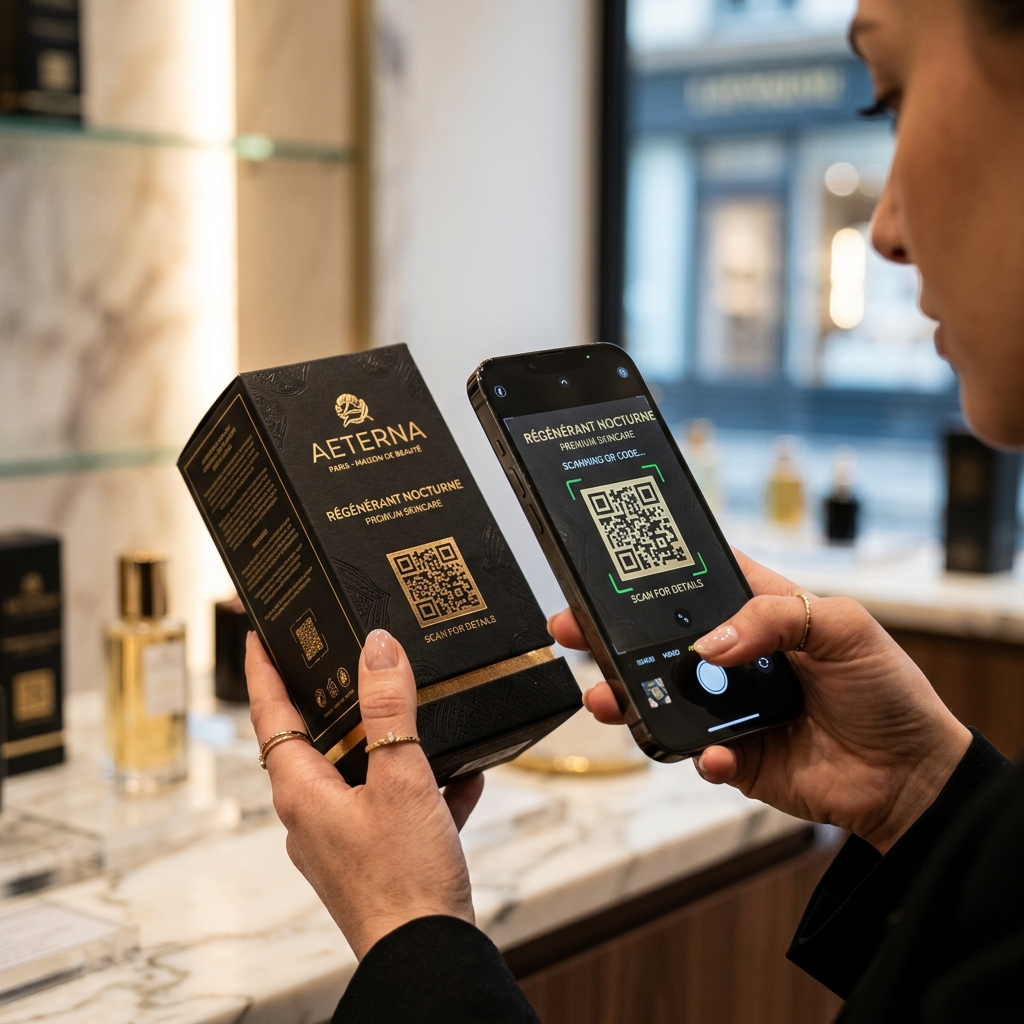
QR-based consumer verification sits on top of all three: fast and familiar for the layer we do show. The two we don't are exactly what make the first one hard to fake.
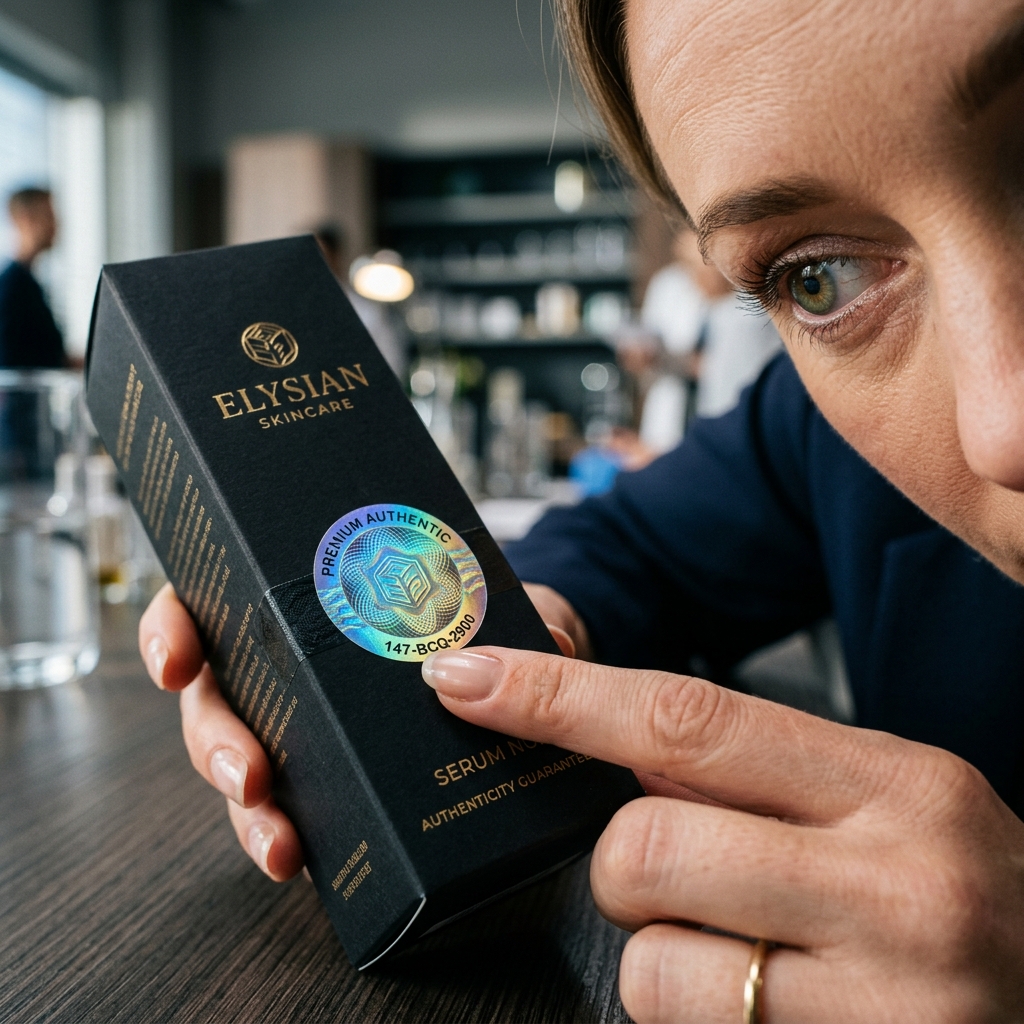
Smart Epsilon deploys: a tamper-evident, nano-OVD holographic security label, visible and verifiable before a single scan happens.
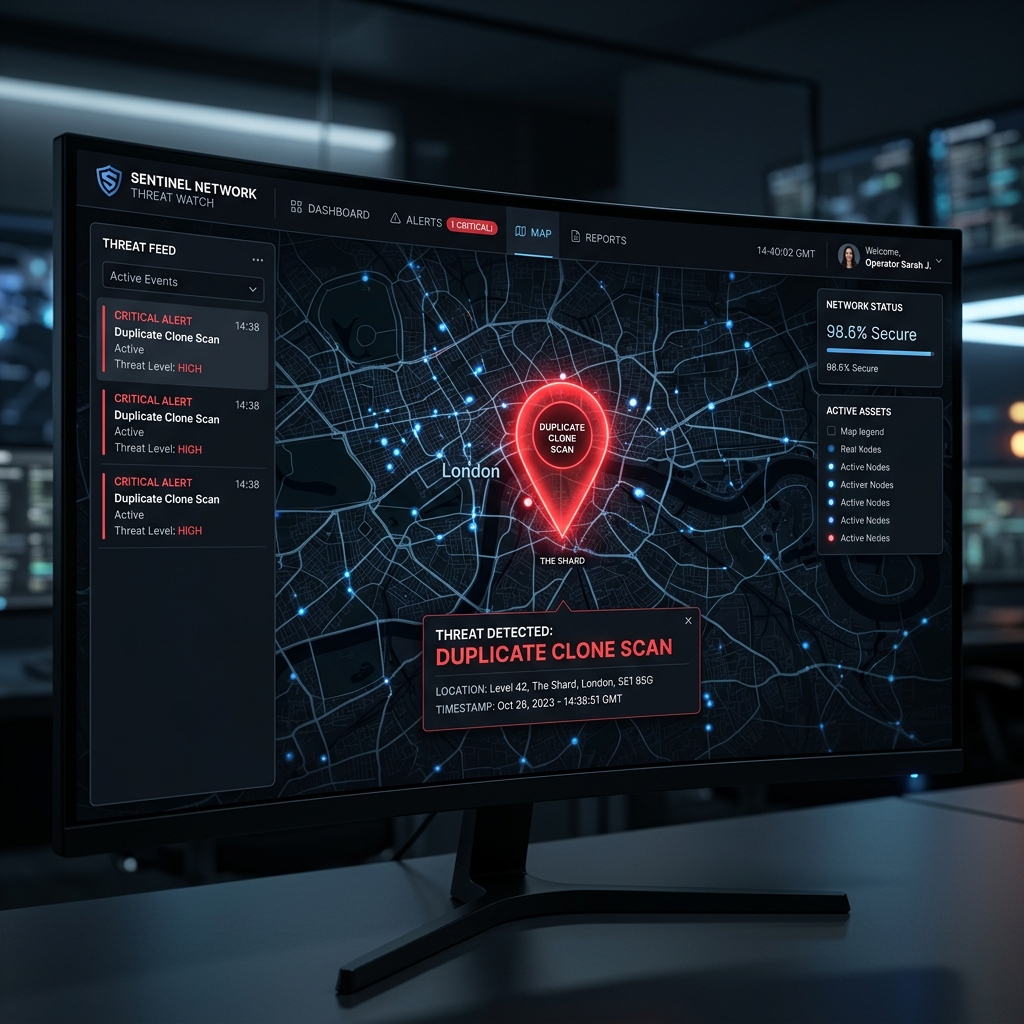
Smart Epsilon deploys: a second, silent layer of protection, verified only through our own systems. What it catches, and how, stays with us.
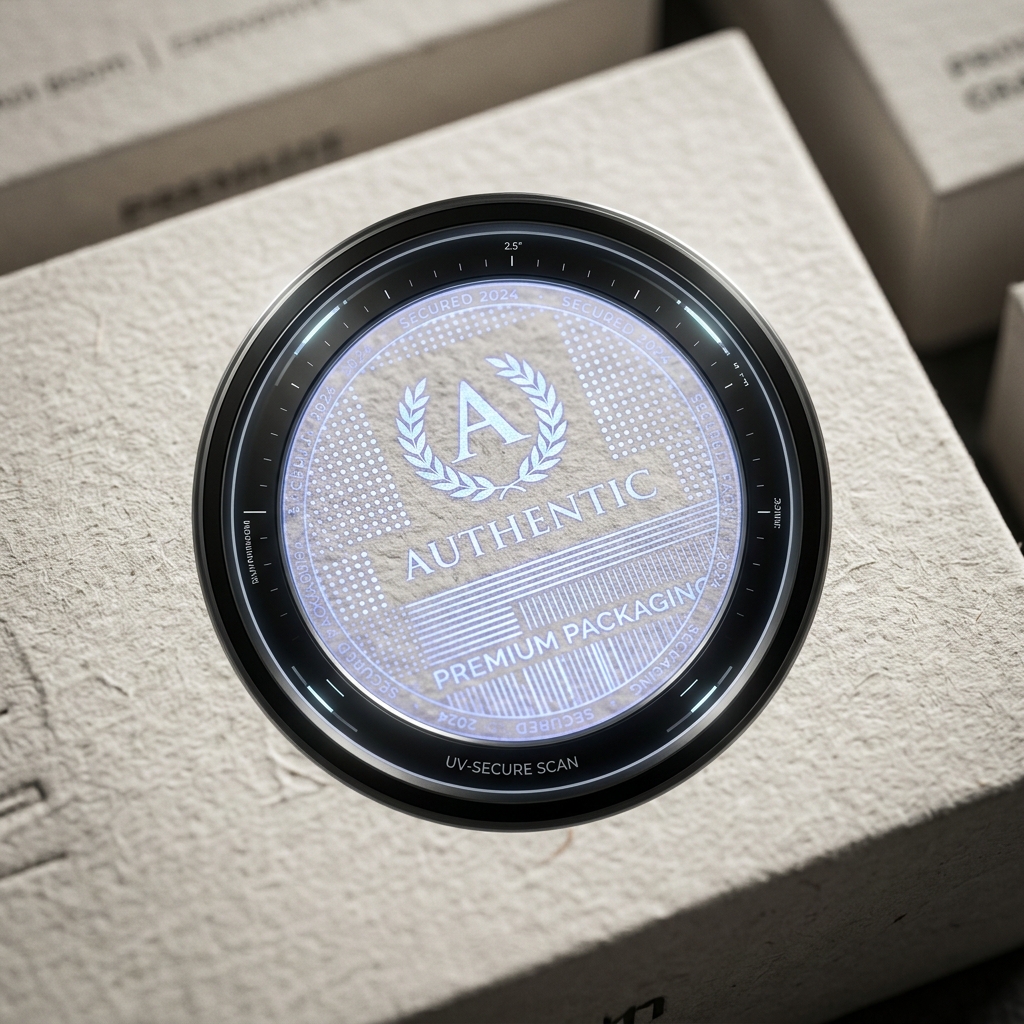
Smart Epsilon deploys: our most closely held layer, disclosed to no one outside a verified legal or regulatory request.
These aren't customer complaints. They're the moments a single fake becomes a legal, financial, or reputational event.
NO MATTER WHO'S ASKING
Consumer, security team, or investigator, everyone gets the same three-layer answer.
Yes, the holographic label is visible before any scan; the QR confirms it in seconds after.
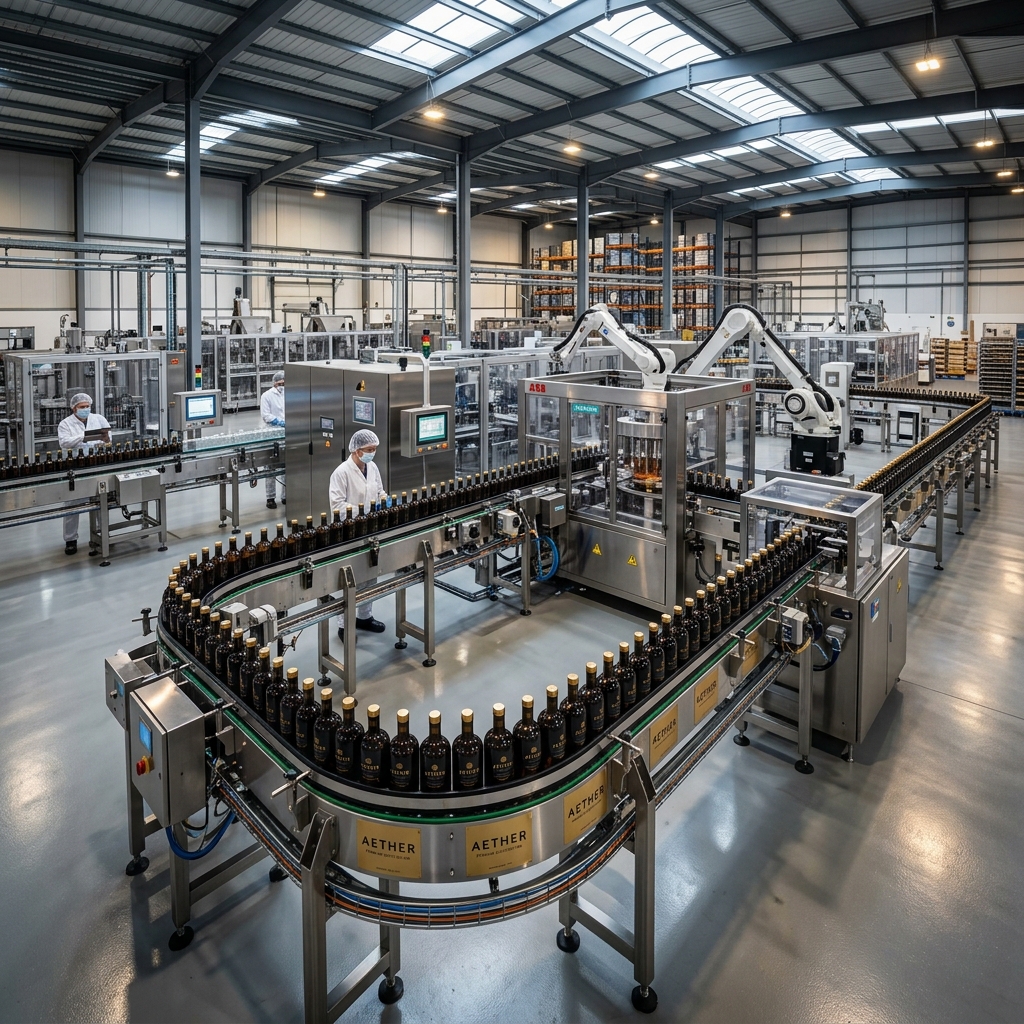
That's exactly why there are two more layers behind it, neither of which depends on anything visible enough to study or copy.
Every confirmed counterfeit is investigated back to where it actually entered your supply chain, closing the specific gap, not just removing the one batch.
What It Actually Solves
| Feature | The Problem It Solves | The Impact |
|---|---|---|
| Three-layer verification (overt + covert + forensic) | Single-method authentication gives a counterfeiter one thing to study and copy | A counterfeiter has to defeat three independent methods at once, not one, and can only ever see one of them |
| Holographic security label | Consumers and retailers have no way to check authenticity before scanning anything | Instant, no-device verification at the point of sale |
| Undisclosed covert & forensic layers | Once a single method is public, it's only a matter of time before it's copied | Protection that can't be reverse-engineered from what's published, because nothing functional is published |
| Consumer-facing QR verification | Verifying authenticity feels technical or requires a specialized app | Any smartphone camera, no app required, result in seconds |
| Root-cause investigation on every confirmed counterfeit | Stopping one fake batch doesn't close the leak it came from | The source of a counterfeit entry point gets identified and closed, not just the symptom |
One rollout process
A single line on one SKU moves fast. A multi-site, multi-ERP rollout takes longer. The sequence below is what stays constant either way. It's how we scope the real timeline with you, instead of quoting one before we've seen your stack.
Map your current stages, systems, and data gaps. This is what actually sets the timeline.
Agree on the lines, SKUs, and integration points, and set a realistic date, in writing.
Prove the model end-to-end on one line before committing further.
Run a real batch through the complete authentication workflow.
Get plant, warehouse, and field teams trained and confident on the new workflow.
Scale across remaining lines, sites, and partners at your pace.
Customer voices
See what supply chain and brand protection leaders
experienced after implementing the platform.
Before you ask
Basic holograms can be replicated with enough effort; that's exactly why the label is one of three layers, not the whole defense. The other two are undisclosed by design.
Because that explanation is the one thing a counterfeiter actually needs. Every credible security vendor holds this back, and we're not an exception.
No, all three layers integrate into your existing packaging workflow.
Beyond flagging it, we investigate where it entered your supply chain, so the response addresses the source, not just the one batch.
READY TO DEPLOY?
REQUEST A SESSION