Stopping Lubricant Counterfeiting in India

Smart Epsilon
July 27, 2026
July 27, 2026
The automotive industry in India remains one of the country’s most important economic pillars, contributing nearly 6% of India’s GDP and 35% of manufacturing GDP. Supporting this vast ecosystem is the auto component industry, which recorded a turnover of approximately ₹6.14 lakh crore in FY24-26 and contributes around 2.3% to the nation’s GDP. To keep millions of vehicles operating safely and efficiently, lubricant manufacturers invest heavily in research, quality control, and product development. Yet despite these efforts, a silent threat continues to grow across the aftermarket. The issue of Fake Engine Oil is damaging vehicles, eroding consumer trust, and hurting the reputation of legitimate manufacturers across the country.
To keep all these millions of engines running smoothly, safely, and efficiently, the lubes sector works tirelessly. Dedicated manufacturers spend immense capital and years of research formulating the perfect chemical blends to reduce friction, dissipate heat, and extend engine life. You put your heart into creating high-quality products that consumers can trust. However, a silent and highly destructive threat is spreading rapidly across the aftermarket, working actively to undo your hard work. The issue of Fake Engine Oil is causing severe damage to vehicles, draining consumer wallets, and deeply hurting the hard-earned reputations of honest manufacturers.
To understand how this threat operates, we must look closely at the realities of the ground-level supply chain. Counterfeiting is highly prevalent in lubricant oil and all other types of auto spare parts. The root of this problem lies in how these products actually reach the final vehicle. In the automotive segment, end-users are usually not directly involved in the purchase of auto components. These critical items are mostly purchased by mechanics, garage owners, and service centres on behalf of the end-users.
When a family takes their car or motorcycle to a local neighborhood garage for a routine service, they rarely see the actual bottle of oil being poured into their engine. They trust the mechanic completely. Unfortunately, the auto services aftermarket is acutely unorganised in India, which is the key reason for the prevalence of counterfeit auto components. Unauthorized operators take advantage of this unorganized structure. They approach local mechanics and offer them counterfeit lubricants at massive profit margins.
The scale of this deception is staggering. Industry research indicates that nearly 30% of automobile components in the aftermarket in India are counterfeit. Shockingly, survey data reveals that 36% of customers willingly purchased counterfeit auto parts, primarily driven by lower costs or a lack of genuine product availability. This creates a massive blind spot that puts your revenue and your brand equity at severe risk.
We cannot view this simply as a matter of lost corporate revenue. The consequences of using fake lubricants go far beyond the balance sheet; they represent a direct threat to human life. Counterfeit engine oils are usually made from cheap, recycled base oils. They completely lack the critical chemical additives, and thermal stability required by modern, high-performance engines.
When fake oil is poured into a vehicle, it degrades rapidly under high heat. It causes severe internal friction, sludge buildup, and rapid wear and tear on vital engine components. This leads to overheating, stalled vehicles, and catastrophic engine seizures while people are driving at high speeds on the highway. A report by the Ministry of Road Transport and Highways and the Society of Indian Automobile Manufacturers Association stated that 20% of road accidents in India were because of mechanical failure of auto components, with several of these accidents on account of faulty and counterfeit parts.
This sobering reality makes Lubricant Brand Protection an absolute matter of public safety. When a fake lubricant destroys an engine, the mechanic simply blames the brand printed on the plastic bottle. The consumer feels completely betrayed by your company, unaware that they were the victim of a local counterfeit operation. Restoring that shattered trust is an incredibly difficult uphill battle.
For lubricant manufacturers, managing this threat involves overcoming monumental logistical challenges. The sheer volume of lubricants produced every month means millions of plastic bottles, buckets, and industrial barrels flow through extensive distribution networks before reaching the market. At this scale, even small gaps can create opportunities for counterfeit products to enter the ecosystem, making effective product authentication essential.
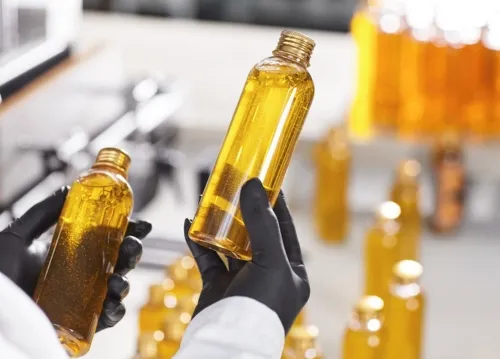
The most common tactics used by counterfeiters in this sector is packaging reuse and packaging copy. Unauthorized operators actively travel to local garages and purchase empty, genuine bottles from mechanics. They take these authentic containers back to hidden facilities, refill them with substandard oil, seal them with cheap duplicate caps, and push them right back into the local market. Because the physical plastic bottle is genuinely yours, basic visual inspections by consumers completely fail to detect the fraud.
To combat this specific, highly organized criminal tactic, you need a vastly superior, technology-driven defense mechanism. Standard holographic stickers are easily peeled off or replicated by sophisticated cloners. You need an active, intelligent Lubricant Anti-Counterfeit Solution that secures the product from the exact moment it is sealed on your factory floor until the very second it is opened by the mechanic.
We believe in rolling up our sleeves and working directly alongside your production team to implement these critical defenses. Tackling this challenge requires converting your physical packaging into a secure, trackable data point.
We can help you incorporate KaVACH Secured QR code into your label artwork through appropriate printing technologies. kaVACH Secured QR codes are “non-copiable” . So a counterfeiter may be able to copy your artwork and packaging very precisely, but they will not be able to copy the kaVACh Secured QR code.
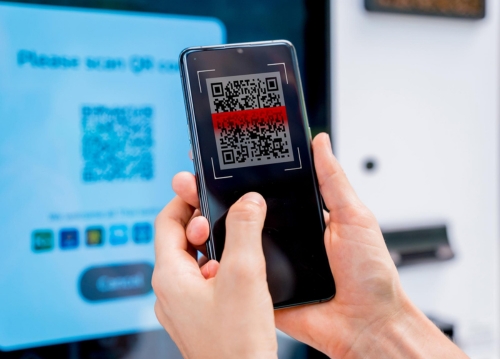
This enables instant, frictionless Lubricant Authentication. When a product reaches a service center, the mechanic or the consumer can simply scan the secure code using their everyday smartphone. In a fraction of a second, the system verifies the digital fingerprint of that exact bottle. If a counterfeiter tries to reuse a bottle that was previously scanned and marked as “opened,” the system instantly detects the anomaly and flags the product as a suspected fake. Or, if the label has been copied, the mobile app will detect it and declare the bottle as counterfeited. Both ways, protecting the mechanic and customer from buying a fake product.
To truly eliminate fake engine oil from the unorganized aftermarket, we must completely change the economic incentives for the local mechanic. Right now, counterfeiters win by offering mechanics higher profit margins on fake goods. We can flip this dynamic entirely by using your secure tracking architecture to build a highly engaging, direct loyalty program.
When a mechanic scans your genuine bottle to verify its authenticity, the same scan can seamlessly deposit loyalty points or instant cash rewards directly into their digital wallet. You reward them immediately for choosing your genuine product and verifying it in the system. This creates a powerful, positive feedback loop. The mechanic becomes your active partner in securing the supply chain. They actively refuse fake products because the fakes do not scan and do not provide the digital financial rewards they have come to rely on.
This direct digital connection gives your leadership team unprecedented visibility. Every time a genuine bottle is scanned at a garage, your central dashboard lights up. You gain real-time data on exactly where your products are being opened, how fast inventory is moving, and where potential counterfeit hotspots are emerging across the country.
Securing the lubricant supply chain is an incredibly complex task, but it is one we are deeply prepared to tackle with you. We understand the physical realities of your high-speed filling lines and the harsh, oily environments of your packaging facilities. We design our tracking systems to integrate flawlessly with your existing ERP and CRM software without causing any operational disruptions or slowing down your critical daily throughput.
The days of allowing unauthorized operators to drain your revenue and endanger drivers must end. By partnering together to deploy secure, anti-counterfeit technology, we can challenge the very technique of copying your packaging that criminals rely on. Let us work together to build a transparent, secure network, ensuring that every drop of lubricant bearing your brand name delivers the genuine performance and safety your consumers truly deserve.